Period education needs to go beyond biology
Comprehensive coverage and support could also raise PE participation
Key Findings
- Students say UK schools need to broaden period education to cover its real-life effects on health and daily life, not just the biological aspects of the menstrual cycle and reproduction.
- Students also want more guidance and support so that they can take part in PE during their periods.
- Teachers can help create an inclusive environment by normalising periods, implementing supporting policies, and ensuring easy access to facilities and products.
Source*
Brown, N., Forrest, L. J., Williams, R., Piasecki, J., & Bruinvels, G. (2024). ‘Everyone needs to be educated’: pupils’ voices on menstrual education. Reproductive Health, 21(1), 121. https://doi.org/10.1186/s12978-024-01862-6
*All evidence briefs are informed by one or more peer reviewed research studies. All study publications used to inform this article are listed at the bottom of this brief with links.
What's this about?
Students need a comprehensive period education, covering practical advice on how to manage period symptoms and stay active throughout their cycle.
Young people want more practical period advice and open discussions about lived experiences in schools, research has revealed.
The study also highlights that students could benefit from better support in staying active during their periods to alleviate symptoms, as well as receiving broader guidance on period management beyond just biological information.
Previous research shows that just 63% of UK teachers report their schools address periods, primarily focusing on biology or product provision.1
The new study, based on focus groups with girls aged 10-15 years in England and Wales, echoes these findings.
Students report several recurring issues, like toilet access during lessons and discomfort talking to teachers, especially those who seem uninformed or anxious.
The menstrual cycle can significantly impact student's quality of life, health, and academic performance,2 yet many feel their education on the subject is inadequate, with some reporting no period education at all.
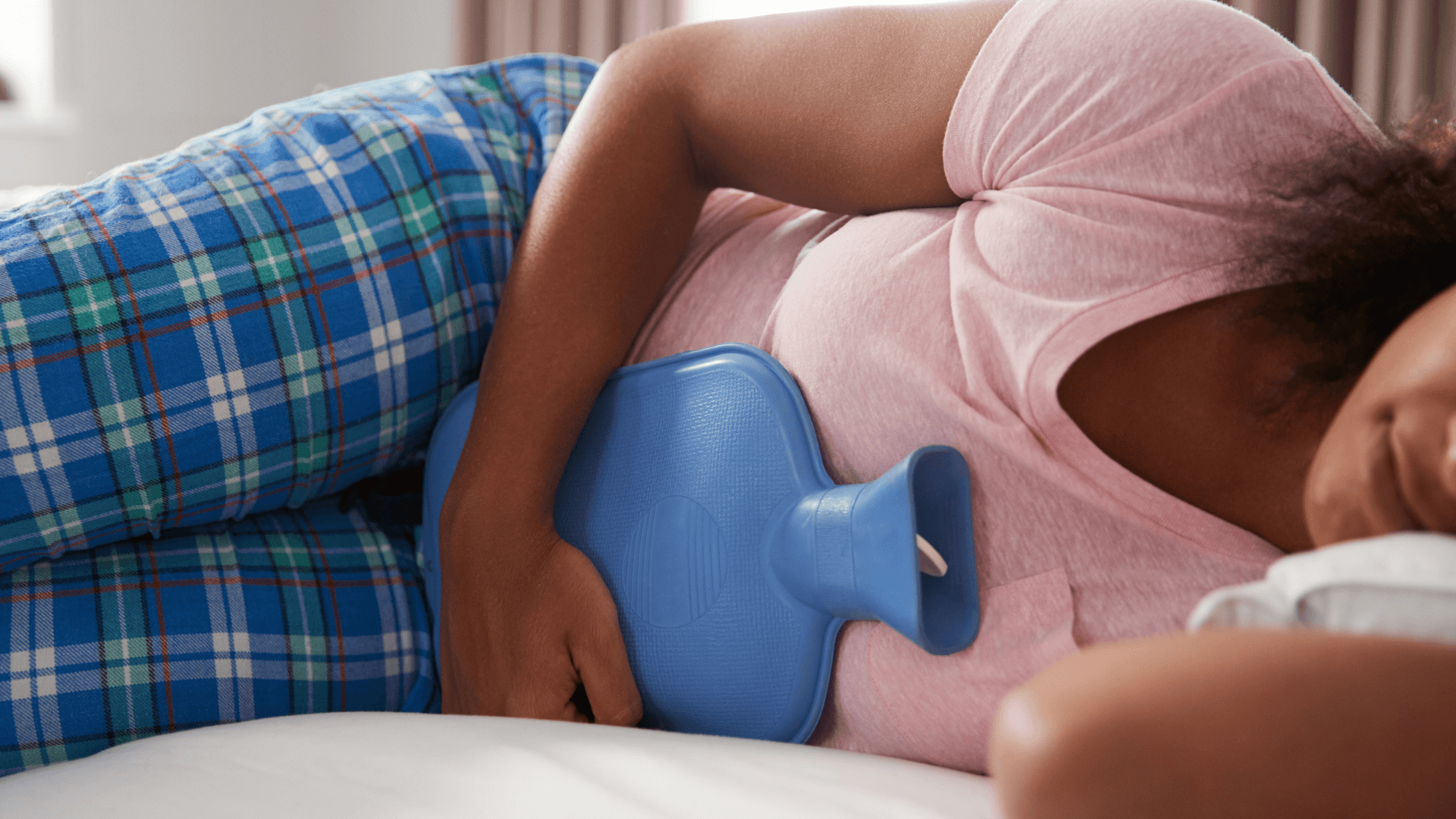
Concerns over cramps and leaks often leads students to skip PE, sometimes reluctantly. Their willingness to participate can be affected by menstrual cramps, breast pain, fatigue, and the fear of visible leaks during lessons. Many students feel that teachers lack sympathy or understanding of their period pain and related worries.
There’s evidence that exercise can help relieve period symptoms,3 indicating that educating students and teachers on this could improve PE attendance.
Researchers suggest teachers need additional training and resources to support their students in managing periods, offering alternative exercises where possible, and understanding the benefits of staying active during the menstrual cycle.4
Students express the need for more supportive, "period-positive" environments in schools, which would include better access to period products, toilet facilities, and education on how to manage periods. They also highlighted that they would like more relatable information, with a focus on lived experiences, and preferred education delivered by women or those knowledgeable about periods.
Research Toolkit
How can you improve period education and support at school?
Key Findings
- KNOWLEDGE IS POWER
- Expand period education to go beyond biology and provide a more practical period education for all students, including those who don't menstruate. Education could include advice on managing symptoms, recognising menstrual health issues, and understanding how periods can affect daily life.
- ADAPT ACTIVITY
- Girls report avoiding PE during their periods and physical symptoms can make it harder to stay active. Teachers can adapt their lessons and offer adjustments where possible, such as providing alternative exercises (e.g., yoga instead of swimming) or uniform flexibility (e.g. tracksuit bottoms instead of skirts).
- ACCESS AND FACILITIES
- Ensure that students have easy, discreet access to menstrual products and are allowed to use bathroom facilities without restrictions. Addressing these practical needs can reduce stress among students managing their periods.
- PRACTICAL ADVICE TO STAY ACTIVE
- Improved period education and teacher professional development should highlight the benefits of exercise whilst menstruating. Teachers should offer advice on managing symptoms or staying active during their period, and take the concerns and discomfort of students seriously.


What Else
- PERIOD-POSITIVE SCHOOLS
- Foster an inclusive and "period-positive" atmosphere in schools by normalising periods as part of everyday life. Teachers can encourage open discussions about health topics, incorporate real-life experiences and offer private channels for communication if students feel uncomfortable talking openly.
- BE AWARE OF THE IMPACT
- Teachers should be aware that periods can negatively impact students' concentration, school attendance, and participation in physical activities like PE. Teachers should approach these topics with sensitivity and empathy, encouraging students to share their concerns without fear of judgment.
- TEACH YOURSELF FIRST
- Professional development can help ensure period education and guidance is delivered with confidence which can make a big difference to pupil wellbeing. Providing comprehensive professional development on menstrual health enables teachers to provide informed support and create a more empathetic learning environment where students feel heard and understood.
- LOOKING BEYOND SCHOOL
- Students often look online for information when they need to know more. Having access or advice for trusted resources or websites for students and teachers could support what students learn at school, especially when teacher capacity is limited.


Related Topics
- Physical activity
- Physical education
- Secondary schools
- Sport
- PSHE
- Public health
- Periods
- Menstruation
- Women's health
- Period poverty
Research Sources
1. Brown et al., (2022); 2. Curry et al., 2023; 3. Sutar et al., 2016; 4. Brown et al., 2024
Latest

1
Discipline in secondary schools: beneficial or costly?
2
Can different food labels in school canteens change behaviour?
3
Our messaging matters: how can we effectively engage teenagers about physical activity?
4
Surge in healthcare use for eating disorders among youth during lockdowns
5
Injuries cause more than just physical challenges for young players